

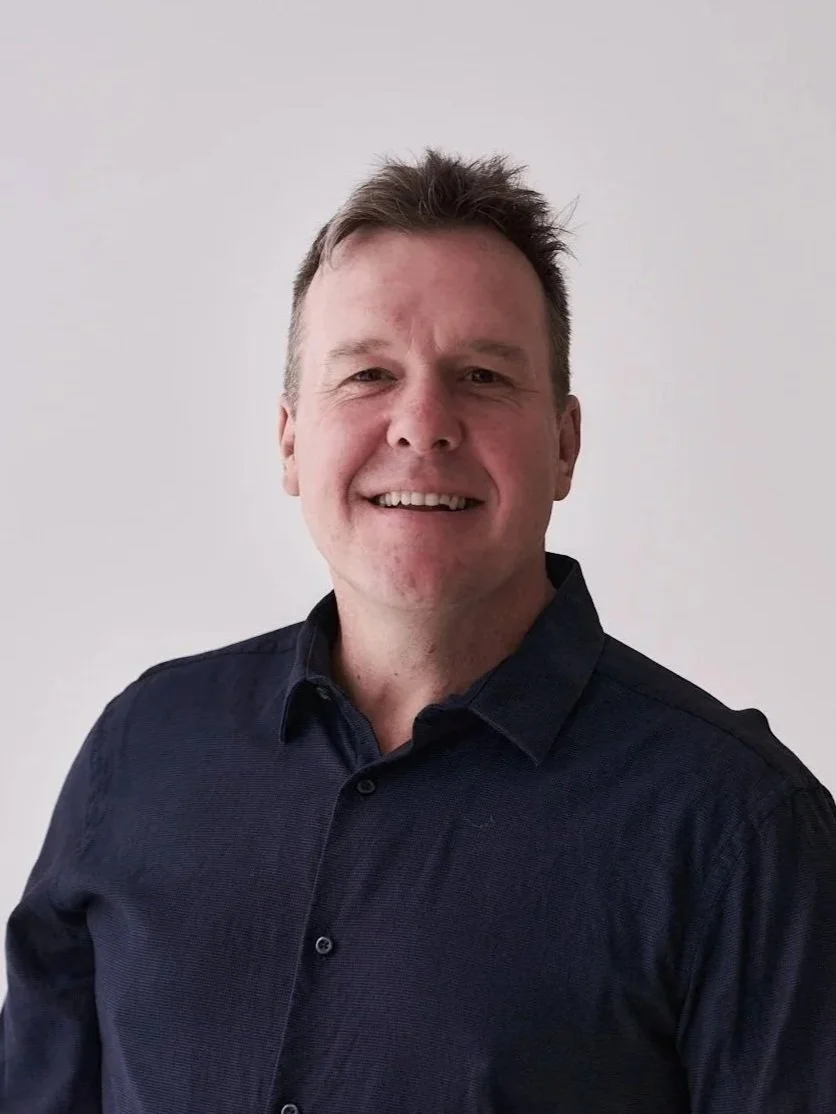
Sacha Wanda
Founder & Principal Trainer
Sacha Wanda is the founder and Principal Trainer of Clarity First Aid Training. Over his career, he has trained more than 25,000 Australians across physical first aid, mental health first aid, suicide intervention, domestic violence awareness and related areas.
Sacha has a particular ability to make complex and sometimes confronting subjects clear, practical and easier to engage with. His teaching is informed by current evidence and real world experience, with a calm and relatable style that gives people space to think, ask questions, practise and build confidence.
Experience
Sacha's background spans first aid education, mental health, crisis support and community services. He has worked as a Lifeline crisis support worker, peer counsellor and first responder, alongside many years delivering physical and mental health first aid, suicide intervention and awareness programs, psychological first aid, domestic and family violence awareness, and workplace health and safety education.
He has trained people from an enormous range of backgrounds and workplaces, including universities, government, defence, health, education, research, telecommunications and community organisations. Organisations he has delivered training for include CSIRO, ANU, the Australian Federal Police Victims of Crime Unit, Australian Military College, Royal Australian Navy, ACT Government, Australian Government departments, National Gallery of Australia, Pharmacy Guild of Australia, Domestic Violence Crisis Service, EveryMan, Canberra veterinary practices, Telstra, Australian Red Cross, and public and private schools across NSW, ACT, and Tasmania.
Why he loves teaching
One of the things Sacha loves most about first aid training is the people who walk through the door. Every course brings together different experiences, perspectives and personalities, and he continues to learn something from every group he teaches.
But what matters most is what happens afterwards. Over the years, former participants have written to tell him about recognising that someone needed help, having a conversation they might previously have avoided, responding to an emergency, and sometimes even saving a life.
“My colleague is alive today because I did your course. Thank you, Sacha.”
Those messages are difficult to beat.
First aid education is also expanding. As our understanding of health, mental health and human relationships develops, so too do the opportunities for ordinary people to recognise when someone may need help and respond appropriately.
Sacha is currently working with a team to develop Relational First Aid, extending the principles of first aid to situations where relationships, groups and social environments may be causing harm: recognising when help may be needed, responding in an informed way, doing no further harm, and helping people move towards safety and support.